Soft, Playful, and Professional: The Outline Shadow Font
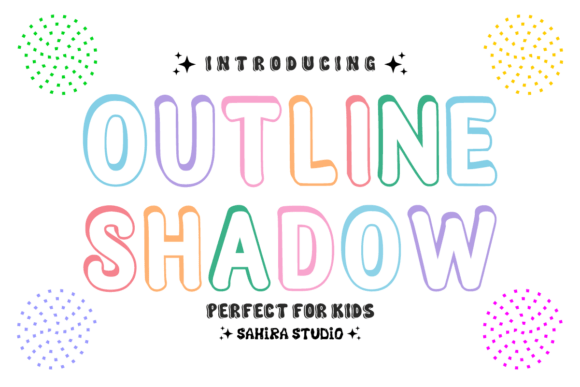
Sometimes a design calls for a voice that is both cheerful and clear, playful yet professional. You need a typeface that captures attention without overwhelming the viewer, one that feels friendly but still carries a polished, intentional look. This is where a unique display font like Outline Shadow finds its perfect niche. It’s a pastel-colored, outline-style font with soft shadow effects that create a subtle 3D appearance, making it a standout choice for projects that aim to be approachable, modern, and visually engaging. Its gentle balance between fun and legibility makes it ideal for young audiences and dreamy visuals, but its applications extend far beyond the obvious.
A Typeface That Bridges Fun and Function
What makes Outline Shadow so visually appealing is its clever combination of simplicity and depth. The outline structure keeps it feeling light and airy, while the soft shadow adds just enough dimension to give it character and prevent it from looking flat. This isn't a heavy, dramatic shadow; it's a subtle lift that suggests playfulness and modernity. The pastel color palette inherent in the font’s design evokes a sense of warmth, creativity, and approachability. For designers, this means you get a creative font that communicates a specific mood instantly—joyful, gentle, and imaginative—without needing additional graphic elements. It’s a premium font that serves as a complete design asset on its own.
Practical Applications for Brands and Creators
The true value of any typeface lies in its versatility. Outline Shadow excels in contexts where you want to inject personality while maintaining a clean, professional presentation. Consider these real-world uses:
- Brand Identity & Logo Design: For businesses targeting families, children, or the wellness and lifestyle sectors, this font can become a cornerstone of the brand identity. It works beautifully for logos, taglines, and brand marks that need to feel inviting and trustworthy. Imagine a children's bookstore, a handmade toy company, or a pastel-themed café using it to immediately set the right tone.
- Packaging Design: On product labels, especially for kid-friendly foods, cosmetics, or DIY kits, the font’s outline style ensures text doesn't become too heavy, allowing the product itself to shine. The subtle shadow adds a tactile, high-quality feel that can elevate shelf appeal.
- Social Media & Digital Marketing: In the fast-scroll world of Instagram and Pinterest, Outline Shadow is a stopper. It’s perfect for creating eye-catching quotes, promotional graphics, and story templates. Its built-in depth helps text stand out against busy backgrounds or colorful imagery, improving readability and engagement.
- Editorial & Web Design: While it’s a display font, it can be used strategically in editorial design and web design for headlines, pull quotes, or section dividers. Pair it with a clean sans serif font for body copy to create a dynamic and readable typographic hierarchy that guides the reader’s eye.
- Print Materials & Invitations: From birthday party invitations to workshop flyers and wedding stationery with a whimsical twist, this font adds instant charm. It’s also excellent for merchandise like tote bags, stickers, and notebooks, where a soft, trendy aesthetic is desired.
Strategic Typography: More Than Just a Pretty Font
Choosing a font is a strategic decision that impacts visual consistency and brand recognition. Outline Shadow isn’t just a decorative choice; it’s a tool for building a cohesive visual language. When used consistently across your marketing assets—from your website header to your email newsletter graphics—it creates a recognizable thread that ties all your communications together. This consistency builds trust and makes your brand more memorable.
However, its playful nature requires thoughtful application. It’s not the ideal choice for long paragraphs of body text. Instead, think of it as a headline font or an accent font. The key to successful font pairing is contrast. Combine it with a neutral, highly legible serif font or sans serif font for body copy. For example, pairing Outline Shadow with a font like Open Sans or Lato creates a beautiful balance—the display font captures attention and conveys personality, while the body font ensures easy reading and a professional finish.
Making the Most of Your Design Asset
Before you dive in, a few practical considerations will help you use this typeface effectively. First, always test your font pairings in context. Create a mockup of your project—whether it’s a social media post or a product label—to see how the fonts interact with your color scheme, images, and overall layout. Pay special attention to readability at different sizes; what looks clear on a desktop screen might need adjustment for a mobile view or a small printed label.
Next, explore the included font styles. A quality premium font like this often comes with multiple weights or stylistic alternates, giving you more flexibility. Does it have a solid version? A bolder shadow? These variations can help you maintain visual interest across a project while keeping the core aesthetic intact.
Finally, and crucially, review the commercial licensing terms. If you’re using the font for a client project, merchandise for sale, or any commercial endeavor, you need to ensure the license covers that use. Reputable font foundries are clear about their licensing, so take a moment to read the details. This due diligence protects you legally and supports the designers who create these valuable design assets.
In the end, Outline Shadow is more than just a modern typography choice; it’s a way to communicate warmth, creativity, and approachability. It allows you to craft visuals that are soft yet impactful, playful yet professional. Whether you’re a small business owner designing your first logo, a content creator looking to refresh your feed, or a designer seeking a unique font for a client’s packaging, it offers a distinctive voice that can help your project connect on a more human, cheerful level. It’s a gentle balance between fun and legibility—exactly what many contemporary projects need to stand out and resonate.