Bradent: Crafting Vintage Motorcycle Spirit into Your Designs
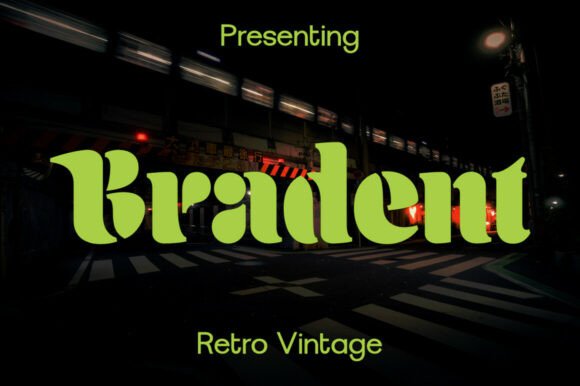
There's a certain raw authenticity to a well-worn workshop. The smell of oil and metal, the crisp lines of a stencil on a steel tank, the bold, no-nonsense lettering on a vintage sign. This isn't just a look; it's a feeling of craftsmanship, grit, and timeless adventure. Capturing that spirit in a digital design can be a challenge, but the right typographic tool makes all the difference. Enter the Bradent font collection, a meticulously crafted set designed to inject that very essence of vintage motorcycle culture into your creative projects.
More Than a Font: A Workshop-Inspired Toolkit
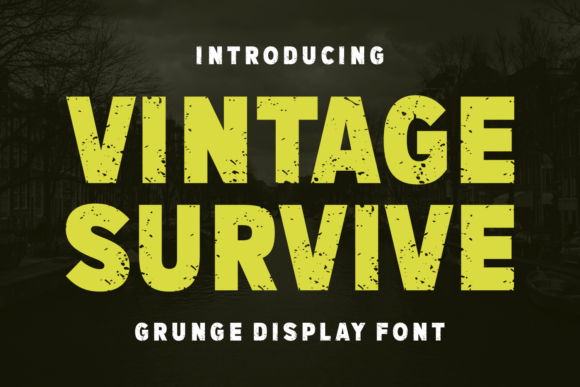
Bradent isn't a single typeface; it's a versatile system. At its core is a dynamic blend of stencil-style serif and sans-serif fonts, giving you the foundational strength of industrial typography. The real power, however, lies in its three distinct styles: regular, rough, and stamped. The regular style provides a clean, defined base. The rough variant introduces subtle imperfections and weathering, mimicking ink that has bled slightly or paint that has aged. The stamped style takes this further, replicating the imperfect, tactile impression of a rubber stamp or a hastily applied stencil, complete with natural gaps and uneven edges.
This trio allows for incredible flexibility. You might use the clean regular style for a brand name on a sleek logo, switch to the rough style for a hero image on a website to add instant character, and employ the stamped style for a social media graphic that needs to feel authentically vintage. The collection also includes detailed stencil and stamped visual assets, perfect for creating cohesive compositions that extend beyond just typography. It’s a complete design asset for anyone looking to build a robust, nostalgic brand identity.
Where the Rubber Meets the Road: Practical Applications
The true value of a premium font like Bradent is measured in its utility across different mediums. For a small-batch coffee roaster or a craft brewery, using Bradent on packaging design can immediately communicate a handcrafted, artisanal quality. The bold, readable lettering is perfect for logos that need to stand out on a shelf or a sign. Imagine a local motorcycle repair shop's logo rendered in Bradent's stencil serif—it instantly conveys expertise and a no-fuss attitude.
Beyond physical products, this creative font excels in the digital space. Content creators and bloggers can use it for striking headlines and pull quotes that break up text and add visual interest to editorial layouts. For social media graphics, the stamped style is a game-changer. It creates posts that look like they were made with real ink and stamps, boosting engagement through a tactile, authentic feel that cuts through the polished, digital noise. Marketing professionals can leverage it for event posters, sale banners, and email headers that demand attention.
Building a Brand with Authentic Typography
Choosing a typeface is a foundational decision in brand strategy. A font like Bradent isn't just decorative; it communicates specific values. It speaks of heritage, reliability, and hands-on craftsmanship. For an entrepreneur launching a line of rugged outdoor gear or a vintage-inspired apparel brand, Bradent provides the ideal typographic foundation. It helps build visual consistency across all touchpoints—from the website and merchandise to invoices and business cards—reinforcing brand recognition at every turn.
The key is intentional pairing. While Bradent makes a powerful statement, its display font nature means it's best suited for headlines, logos, and large titles. For body text, readability is paramount. A practical approach is to pair it with a clean, modern sans-serif or a simple serif font for longer paragraphs. For example, a logo in Bradent's rough style paired with a font like Montserrat or Lato for website copy creates a beautiful contrast between vintage character and contemporary clarity. Always test your font pairings in context to ensure they work harmoniously without competing for attention.
Choosing Your Style and Final Considerations
With three styles at your disposal, selecting the right one depends on your project's goal. Need a strong, foundational headline for a corporate report that nods to industrial history? The regular style offers professionalism with character. Creating a limited-edition product label or a concert poster? The rough or stamped styles will deliver that desired worn-in, authentic vibe. Think about the medium as well; the stamped effect might reproduce beautifully on textured paper for print materials but could need careful testing for small digital sizes to maintain legibility.
As with any commercial font, it's crucial to review the licensing. The Bradent collection typically comes with licenses that allow for both personal and commercial use, but always check the specifics to ensure it covers your intended applications, whether for client work, merchandise, or digital products. Investing in a high-quality, licensed typeface like this ensures you have the legal right to use it across all your creative and commercial endeavors, protecting your brand and your work.
The Bradent font collection is more than just a set of letters. It's a bridge to a bygone era of mechanical beauty and straightforward design. By embracing its stencil forms and textured variations, you’re not just choosing a font—you’re adopting a visual language that speaks of adventure, strength, and timeless craftsmanship. Let it fuel your creativity and give your next project the authentic, powerful voice it deserves.