Balpoint: A Technical Font for Minimalist Design Projects
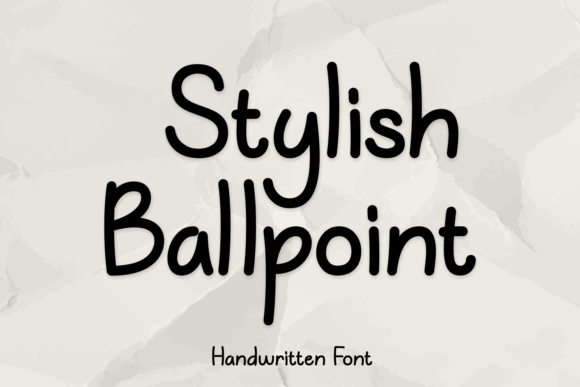
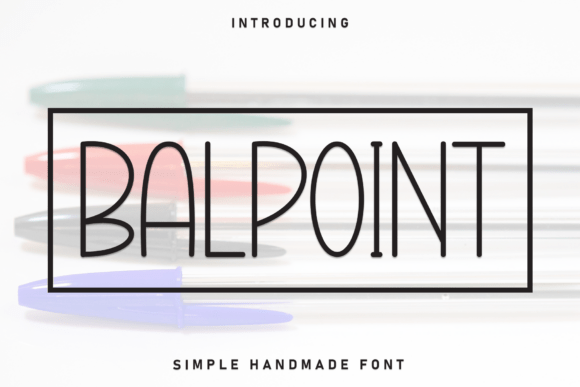
There's a particular kind of design challenge that calls for a font with quiet confidence. You're working on a brand identity for a modern architecture firm, or perhaps a minimalist skincare line, and you need typography that communicates precision without shouting. Enter Balpoint—a technical, sleek display font built for exactly these moments. With its exceptionally tall, slender letterforms and consistent monolinear weight, this typeface brings an organized vertical rhythm to any project where clarity and contemporary aesthetics matter most.
Why Clean, Handmade Fonts Still Stand Out
In a marketplace flooded with ornate scripts and heavy geometric typefaces, there's something refreshing about a font that simply does its job well. Balpoint features soft, rounded terminals that give each character an approachable feel despite its technical structure. The letterforms maintain an airy quality—never cramped, never overbearing—creating a professionally balanced visual presence that works across both digital and print applications.
What makes this particular premium font worth a closer look? It's the combination of handmade craftsmanship and architectural precision. Every curve and line feels intentional. The monolinear weight means there's no dramatic thick-thin contrast to manage, which simplifies your design decisions and keeps the focus where it belongs: on your content and messaging.
For designers who spend hours testing serif font and sans serif font options only to settle on something that still feels "off," Balpoint offers a middle ground. It's distinctly modern typography without being cold. The rounded terminals soften what could otherwise feel sterile, making it versatile enough for both corporate and creative contexts.
Real-World Applications That Actually Work
Let's talk specifics, because a font's value comes down to how well it performs in your actual projects. Here's where Balpoint tends to shine:
- Logo design and brand identity systems — The clean, minimalist aesthetic makes it a strong candidate for startups, tech companies, design studios, and any brand wanting to project sophistication. Think of how a wordmark set in tall, slender capitals looks on a business card or website header—it immediately signals modern professionalism.
- Packaging design — For products positioned as premium or artisanal, Balpoint's technical quality supports a high-end look without relying on elaborate decorative elements. Skincare brands, specialty food products, and boutique home goods all benefit from this kind of restrained typography.
- Editorial layouts and magazines — The organized vertical rhythm makes it particularly effective for headlines and pull quotes in clean editorial layouts. It pairs well with body text in a more traditional serif or sans serif, creating visual hierarchy without competing for attention.
- Digital interface headers and web design — On screens, the consistent weight and open letter spacing maintain excellent readability at various sizes. Blog headers, landing page titles, and navigation labels all benefit from this kind of clarity.
- Social media graphics — When you need text that reads clearly at thumbnail sizes on Instagram or Pinterest, a display font with strong vertical proportions and generous spacing does the heavy lifting. Balpoint handles this well, especially for quote graphics, promotional announcements, and branded story templates.
- Posters, invitations, and event materials — For gallery openings, product launches, or minimalist wedding invitations, the font's architectural quality adds a refined touch that feels intentional rather than trendy.
- Merchandise and print materials — From tote bags to business stationery, the monolinear weight ensures consistent reproduction across different printing methods and substrates.
Matching Typography to Your Project Goals
Choosing the right font isn't just about personal taste—it's about alignment with what you're trying to communicate. Here's a practical framework for deciding whether Balpoint fits your current project:
Consider your brand personality. If your brand values include precision, innovation, minimalism, or modernity, a technical display font like this naturally supports those attributes. A children's party planning service? Probably not the best fit. A sustainable architecture studio? Almost certainly yes.
Think about your audience. Adults aged 25–45 with an appreciation for clean design tend to respond well to this typographic style. If your customers or readers skew toward valuing craftsmanship and simplicity over flashiness, Balpoint's visual language will resonate.
Test your font pairings early. No display font works in isolation. Before committing, mock up Balpoint alongside your chosen body text—whether that's a classic serif font for editorial work or a friendly sans serif font for web copy. The goal is contrast without conflict. Because Balpoint is tall and technical, it pairs best with slightly shorter, wider body fonts that provide visual grounding.
Review the included font styles. Before purchasing any creative font, check what weights and variations come with it. Some projects need only uppercase headlines, while others require a full character set with numbers, punctuation, and multilingual support. Understanding what's included prevents frustration down the line.
Improving Visual Consistency Across Touchpoints
One of the most overlooked benefits of investing in a quality typeface is the consistency it brings to your brand presence. When you use the same font across your website headers, social media graphics, email newsletters, packaging, and printed materials, you create a cohesive visual identity that audiences begin to recognize—even before they read the words.
This kind of brand recognition doesn't happen by accident. It's the result of deliberate typography choices applied consistently over time. Balpoint's distinctive vertical proportions and clean structure make it especially recognizable, which works in your favor. After seeing it a few times, your audience starts associating that visual style with your brand, building familiarity and trust.
Professional presentation matters more than many small business owners realize. A mismatched or generic font choice can undermine an otherwise strong brand concept. Conversely, a thoughtfully selected typeface—even used sparingly, just for headlines—can elevate the entire perception of your business.
Practical Tips for Working With Display Fonts
A few recommendations from the field that apply specifically to fonts like Balpoint:
- Don't overuse it. Display fonts are designed for impact at larger sizes—headlines, titles, and featured text. Using them for body copy or long paragraphs typically hurts readability. Let Balpoint handle the spotlight moments and use a complementary font for everything else.
- Pay attention to spacing. Tall, slender letterforms sometimes need slightly adjusted letter-spacing (tracking) depending on the size and context. Test at the actual size you'll be using, not just on your design screen.
- Check commercial licensing. If you're creating designs for clients, merchandise, or digital products you plan to sell, verify that your font license covers commercial use. This is especially important for design assets that will be distributed or resold.
- Export and preview across devices. A font can look different on a Mac versus a Windows machine, or in a browser versus a PDF. Always preview your work in the formats your audience will actually see.
- Consider weight and contrast for accessibility. While the monolinear weight is aesthetically pleasing, ensure there's sufficient contrast between your text and background colors. Clean typography only works if people can actually read it.
Where Technical Precision Meets Creative Flexibility
The best design decisions feel inevitable in hindsight—the typography just "works" with the imagery, the layout, and the message. Balpoint achieves this by staying out of the way while still making a clear visual statement. Its handmade quality prevents it from feeling robotic, while its technical structure keeps everything orderly and intentional.
Whether you're building a brand identity from scratch, refreshing your marketing assets, or looking for a typeface that brings cohesion to a growing set of digital products, this kind of font fills a specific and valuable role. It won't be the right choice for every project—no font is—but for those moments when you need modern, clean, and quietly confident typography, it delivers exactly what you need.
Take the time to test it in context. Mock up a few real scenarios from your own projects. The right font choice becomes obvious when you see it doing the work you actually need done.