Love Letter Font: Where Romance Meets Modern Design
Finding the perfect typeface for a project centered on emotion can feel surprisingly difficult. You want something that feels personal and intimate, yet you can’t afford to sacrifice legibility or professional polish. If you’ve ever struggled to find a handwritten script that doesn't look messy or childish, the Love Letter typeface might be the missing piece in your design toolkit. It strikes a delicate balance between the warmth of a handwritten note and the structure required for modern branding, making it a versatile asset for everything from wedding invitations to boutique product packaging.
The Anatomy of a Romantic Typeface
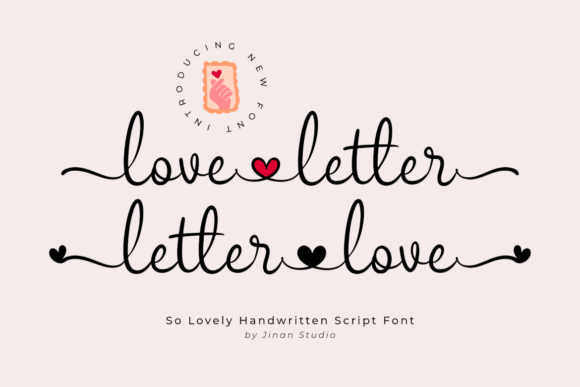
At its core, Love Letter is a premium display font that captures the fluidity of real calligraphy. It isn’t just a collection of letters; it’s a carefully crafted system of flowing strokes and whimsical details. The defining characteristic is its authentic handwritten feel, characterized by graceful swashes and decorative heart connectors that add an undeniable charm. Unlike rigid sans-serif fonts that scream corporate efficiency, this script font whispers sweet affection. The curves are playful yet elegant, ensuring that the text feels organic rather than digitized.
For designers, the technical execution of the swashes is a game-changer. Often, accessing alternate characters in script fonts requires deep diving into glyph panels or using complex design software features. Love Letter simplifies this process. The swash features are intuitive and can be accessed easily using only the keyboard. This allows you to maintain your creative flow without getting bogged down in technicalities, whether you are a seasoned typographer or a small business owner designing your own marketing materials.
Practical Applications: From Branding to Social Media
The versatility of a good script font lies in its ability to adapt to different mediums. Love Letter excels in contexts where human connection and warmth are the primary goals. Because it is a display typeface, it commands attention when used at larger sizes, making it ideal for specific design assets where a headline needs to carry emotional weight.
Here is how you can integrate this creative font into various projects:
- Brand Identity & Logo Design: For businesses in the lifestyle, beauty, fashion, or wedding industries, a logo sets the tone. Love Letter offers a sophisticated look for boutique logos that need to feel approachable and high-end simultaneously.
- Packaging Design: Imagine this font on a box of artisanal chocolates, a scented candle, or a cosmetics line. The whimsical heart details and elegant curves suggest a product made with care and love.
- Invitations & Stationery: This is the font’s natural habitat. It mimics the look of expensive custom calligraphy without the high cost, perfect for wedding suites, bridal showers, or Valentine’s Day cards.
- Social Media Graphics: In the endless scroll of Instagram or Pinterest, a handwritten font breaks the monotony of standard sans-serif text. Use it for quotes, sale announcements, or story highlights to increase audience engagement.
- Merchandise: T-shirts, tote bags, and mugs often rely on typography to sell a vibe. A script font with personality can turn a simple item into a coveted piece of fashion.
Enhancing Visual Consistency and Professional Presentation
One of the biggest challenges in design is maintaining visual consistency across different platforms. When you use a premium font like Love Letter, you gain access to a typeface that is designed to look good in various contexts. It helps improve brand recognition; when customers see that specific style of flowing script, they immediately associate it with your brand identity.
However, readability is paramount. While the decorative nature of the font is appealing, it should be used strategically. As a rule of thumb in modern typography, script fonts are best reserved for headlines, subheadings, and short bursts of text rather than long paragraphs. Using it for a "Happy Birthday" banner or a hero image quote ensures maximum impact without straining the reader's eyes. For body text, consider pairing it with a clean sans-serif font to create a hierarchy that guides the eye naturally.
Mastering Font Pairings and Testing
Typography is rarely a solo act; fonts work best in pairs. To make Love Letter shine, you need to contrast it with something structured. If you pair it with another overly decorative font, the design will look cluttered. If you pair it with a font that is too similar, they will compete for attention.
A practical approach is to combine this handwritten font with a geometric sans-serif or a clean serif font. For example, a clean sans-serif like Montserrat or Lato provides a modern, stable foundation that allows the romantic curves of the script to pop. This contrast improves the overall readability of your design and creates a professional presentation that looks intentional rather than accidental.
Before finalizing a project, always test your font pairings at different scales. View your design on a mobile screen and in print. Does the "Love Letter" font remain legible when scaled down for a footer? Do the swashes get cut off on a narrow website column? Answering these questions during the testing phase prevents costly revisions later and ensures your design assets look flawless everywhere.
Commercial Licensing and Long-Term Value
For entrepreneurs and marketers, the practicality of a font extends beyond aesthetics to legalities. When selecting a creative font for commercial use, understanding the licensing is crucial. Love Letter is designed to be a commercial font, meaning it is built for professional environments. Whether you are using it for client work, selling merchandise, or creating digital products for sale, having the correct license protects your business and ensures you are using the asset ethically.
Investing in a high-quality typeface is an investment in your brand's future. It saves time that would otherwise be spent searching for free alternatives that often come with licensing restrictions or technical flaws. By choosing a font that is both beautiful and functional, you elevate the perception of your brand, making it appear more established and trustworthy to your audience.