Candy Fruit: The Handwritten Font for Relaxed Elegance
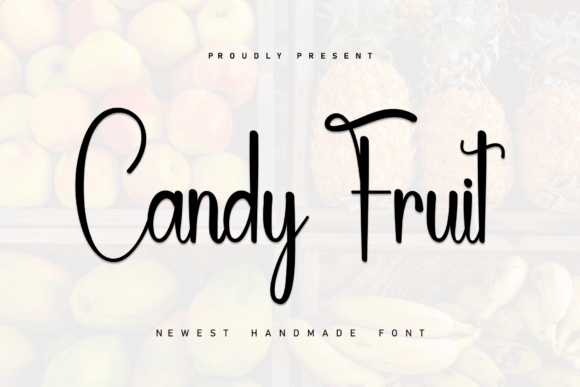
Imagine a font that feels like a friendly note scribbled on a café napkin, yet carries the polished confidence of a high-end boutique. That’s the charm of Candy Fruit. This handwritten typeface, crafted with the fluid strokes of a marker, strikes a unique balance between casual sportiness and luxurious elegance. It’s the kind of font that can make a wedding invitation feel personal without sacrificing sophistication, or give a brand logo a approachable vibe that still commands attention. For designers and entrepreneurs, finding a typeface that walks this line is like discovering a secret weapon for visual communication.
A Style That Feels Both Familiar and Fresh
What makes Candy Fruit visually appealing isn't just its handwritten nature—it's the specific character of the stroke. Unlike overly formal calligraphy or childish scrawl, this script font has a relaxed, athletic rhythm. The letterforms are consistent yet organic, with a natural flow that suggests movement and energy. This quality makes it incredibly versatile. You could use it for the logo of a trendy fitness apparel brand, where it conveys an active lifestyle, and then use the same font for a luxury candle brand, where it communicates artisanal craftsmanship. The "marker" aesthetic gives it a tangible, human touch that digital perfection often lacks, helping your designs feel more authentic and relatable.
This personality shines in applications where connection is key. Think of a brand identity for a local juice bar or a yoga studio. Candy Fruit instantly communicates a welcoming, healthy, and stylish atmosphere. For packaging design, especially for gourmet snacks, artisanal chocolates, or organic beauty products, the font adds a layer of handmade care that consumers associate with quality. It tells a story before the customer even reads the product name.
From Digital Screens to Physical Touchpoints
The true test of a great typeface is its performance across different mediums. Candy Fruit excels here, making it a valuable asset in any designer's toolkit. In the digital realm, it’s perfect for creating engaging social media graphics that stand out in a crowded feed. Use it for Instagram quote posts, story headers, or promotional banners to add personality and stop the scroll. On a website or blog, it works beautifully for standout headings, pull quotes, or hero text on landing pages, guiding the visitor’s eye with its distinctive charm. Just remember to pair it wisely for body text to maintain readability.
Where this premium font truly comes into its own is in print and physical branding. Its marker-drawn style translates beautifully to editorial design, adding a human element to magazine layouts or book covers. For small business owners, it’s a game-changer for creating cohesive marketing assets. Imagine your business cards, thank-you notes, and product labels all using Candy Fruit—this creates instant visual consistency, strengthening brand recognition with every customer interaction. It’s also ideal for invitations (from weddings to corporate events), posters, and even merchandise like tote bags or t-shirts, where its casual elegance feels both premium and approachable.
Making It Work: Practical Pairings and Considerations
Choosing a font is only half the battle; using it effectively is what delivers results. While Candy Fruit is a standout display font, its effectiveness hinges on thoughtful implementation. Here are some practical tips to integrate it seamlessly into your projects:
- Font Pairing is Key: A handwritten font like this rarely works well for long paragraphs of body text. Pair it with a clean, neutral sans serif font or a classic serif font for the supporting text. This creates a beautiful contrast, allowing Candy Fruit to command attention where it matters most—like logos, titles, and calls to action—while ensuring your message remains easy to read.
- Context is Everything: Always consider your audience and project goal. While its relaxed feel is broadly appealing, it might not be the best fit for a formal law firm's website. However, it could be perfect for a boutique law consultancy targeting creative entrepreneurs. Test it in context to see if the tone aligns.
- Explore the Styles: Check if the commercial font package includes alternate characters, ligatures, or different weights. These extras can significantly expand your creative options, allowing you to customize the look and avoid a one-note feel across a large project.
- Licensing Matters: If you're using Candy Fruit for a client project, merchandise, or any commercial endeavor, ensure you have the correct license. Understanding the terms upfront prevents legal headaches down the road and is a mark of professional practice.
Elevating Everyday Projects with Character
Ultimately, typography is about communication and feeling. Candy Fruit offers a solution for the common challenge of making designs feel both professional and personal. It’s not about chasing trends, but about finding a tool that authentically expresses a brand's or project's core personality. Whether you’re a content creator looking to develop a recognizable aesthetic for your digital products, a marketing professional crafting campaign materials that need to feel approachable yet polished, or a hobbyist designing a special gift, this creative font provides a distinctive voice.
Its strength lies in its ability to add a layer of human warmth and casual sophistication. By incorporating Candy Fruit strategically, you can enhance audience engagement, create a more professional presentation, and build a visual identity that feels both luxurious and wonderfully down-to-earth. The next time you start a project, consider what story your typography is telling—and whether a touch of handwritten elegance might be exactly what it needs.