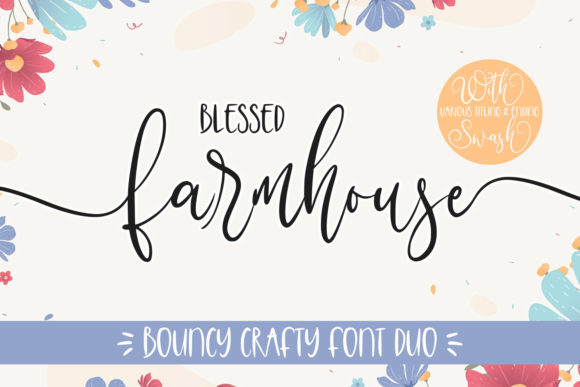
Blessed Farmhouse: A Font Duo That Brings Warmth to Every Project
There’s something about a design that just feels right—the kind that makes you pause, smile, and instantly connect with the message. Often, that magic isn’t just in the imagery or the words themselves, but in the typography that carries them. If you’ve ever struggled to find a typeface that feels both personal and polished, playful yet professional, you’re not alone. Many designers and creators spend hours searching for that perfect font pair that can do it all without compromising on charm or clarity.
That’s where a thoughtfully crafted font duo like Blessed Farmhouse enters the picture. Designed as a bouncy, craft-inspired pairing, it combines the organic appeal of a handwritten script with the grounded reliability of a clean serif or sans-serif companion. The result is a versatile typographic system that feels inviting and authentic, without sacrificing readability or visual impact. Whether you’re building a brand from scratch or refreshing your creative toolkit, understanding how to leverage a duo like this can transform how your audience experiences your work.
Why a Font Duo Changes the Creative Game
Using a single font family is practical, but pairing two complementary typefaces opens up a world of visual storytelling. The Blessed Farmhouse duo is designed with this synergy in mind. One style brings the fluid, hand-drawn energy of script typography—think bouncing letters, gentle curves, and a sense of movement. The other provides balance with a more structured, legible form that works beautifully for body text, subheadings, or anywhere you need clarity at smaller sizes.
This kind of pairing isn’t just about aesthetics; it’s about function. For example, the script style might be perfect for a hero headline on a wedding invitation or a product label, while the companion font ensures that details like dates, ingredients, or descriptions remain easy to read. The interplay between the two creates visual hierarchy naturally, guiding the viewer’s eye without overwhelming them.
What makes this particular duo stand out is its ability to straddle multiple design contexts. It doesn’t feel overly rustic or too casual, nor does it lean into stiff formality. Instead, it occupies a sweet spot—warm, approachable, and adaptable enough for both digital screens and printed materials.
Practical Applications Across Creative Projects
One of the greatest strengths of a well-designed font pair is its versatility. Let’s explore how a duo like Blessed Farmhouse can be applied across different types of projects, from branding to everyday content creation.
Building a Memorable Brand Identity
For small business owners and entrepreneurs, typography is a cornerstone of brand recognition. The script element of the font can add a personal, artisan touch to a logo, while the accompanying typeface ensures that business cards, letterheads, and packaging maintain a professional appearance. Imagine a boutique bakery using the script for its logo and the companion font for menu descriptions—cohesive, charming, and unmistakably theirs.
Enhancing Packaging and Product Design
Product packaging needs to communicate quickly and beautifully. The bouncy, handcrafted quality of this font duo works exceptionally well for labels, tags, and boxes, especially for artisanal goods, wellness products, or specialty foods. The script draws attention to the product name, while the cleaner style handles details like weight, ingredients, or usage instructions without visual clutter.
Elevating Social Media and Digital Content
On platforms like Instagram or Pinterest, where visual appeal drives engagement, typography can make or break a post. Using the script style for quotes, announcements, or promotional graphics adds personality and warmth. Pair it with the companion font for captions or longer text blocks, and you create a consistent visual language that followers will start to associate with your brand. It’s a subtle but powerful way to strengthen your online presence.
Designing Invitations, Cards, and Print Materials
For event invitations, greeting cards, or promotional flyers, the font duo offers a ready-made solution. The handwritten style brings an intimate, celebratory feel—perfect for weddings, birthdays, or holiday greetings—while the secondary font keeps important information like addresses, RSVP details, or event schedules legible and organized.
Supporting Editorial and Web Design
Even in more structured environments like blogs, websites, or editorial layouts, a touch of personality can go a long way. Using the script font for pull quotes, section headers, or featured titles can break up monotony and draw readers into key content. Meanwhile, the companion font ensures that body text remains comfortable to read over longer passages, which is crucial for maintaining reader engagement.
Making Smart Typography Choices for Your Goals
Choosing the right font isn’t just about what looks good in isolation—it’s about how it serves your project’s specific needs. Here are a few practical considerations when working with a font duo like this one:
- Define the mood you want to create. The script style in Blessed Farmhouse evokes warmth and approachability, making it ideal for brands or projects that want to feel personal and inviting. If your goal is sleek minimalism, you might use it sparingly as an accent rather than a primary typeface.
- Consider readability at different sizes. Script fonts are beautiful at large scales but can become difficult to read when used for long paragraphs or small text. Always test how your chosen styles perform across different mediums—print, screen, mobile—and adjust your usage accordingly.
- Think about font pairing beyond the duo. While the two styles are designed to work together, you might occasionally need a third option for contrast—perhaps a simple sans-serif for data-heavy sections or technical details. The key is to maintain visual harmony without introducing too many competing voices.
- Review the full range of included styles. Many premium fonts come with multiple weights, alternates, or glyphs. Exploring these options can unlock new creative possibilities—swash characters for elegant flourishes, different numeral styles for financial materials, or extended language support for international projects.
- Understand the licensing for your use case. If you’re using the font for commercial projects—whether for a client, your own business, or merchandise—ensure the license covers your intended use. This is especially important for designers who work across multiple clients or sell digital products that incorporate the typeface.
Creating Visual Consistency That Builds Trust
One of the most overlooked benefits of a cohesive font system is the sense of professionalism it conveys. When your typography is consistent across all touchpoints—from your website to your social media to your printed materials—it builds subconscious trust with your audience. They begin to recognize your brand not just by your logo, but by the overall visual tone you’ve established.
A font duo like Blessed Farmhouse simplifies this process. Because the two styles are inherently designed to complement each other, you spend less time experimenting with risky pairings and more time creating. The result is a unified look that feels intentional and polished, even if design isn’t your primary skill.
This consistency also supports better communication. When your audience encounters the same typographic language repeatedly, they process your messages more quickly and remember them more clearly. In a crowded digital landscape, that kind of recognition is invaluable.
Bringing It All Together
Typography is more than just choosing pretty letters—it’s a fundamental part of how we communicate visually. The right typeface can set the tone, guide the viewer’s attention, and make your message feel more authentic. A thoughtfully designed font duo like Blessed Farmhouse offers a practical solution for creators who want to balance personality with professionalism, warmth with clarity.
Whether you’re designing a logo for a new venture, crafting social media content that stands out, or producing printed materials that leave a lasting impression, having a reliable font pairing in your toolkit saves time and elevates your work. It’s about working smarter, not harder, and letting your typography do some of the heavy lifting in telling your story.
As you explore new creative projects, consider how the fonts you choose contribute to the overall experience. Sometimes, the smallest details make the biggest difference—and in the case of Blessed Farmhouse, those details are designed to feel both intentional and effortlessly charming.