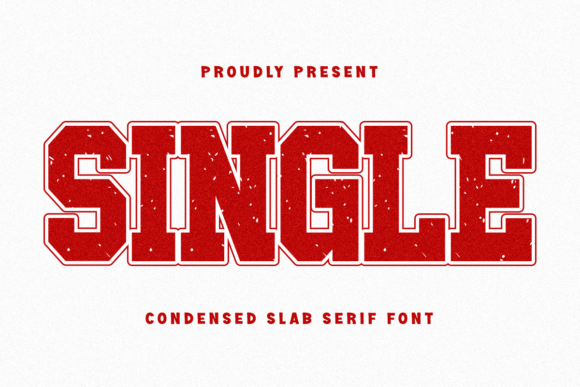
Why Single is the Definitive Typeface for Athletic Branding
In the world of sports and collegiate branding, there is a fine line between looking authentically vintage and simply looking outdated. You want that nostalgic, heavy-hitting aesthetic that reminds people of Friday night lights and championship banners, but you also need a typeface that holds up on modern digital screens and high-quality merchandise. This is where the specific weight of a condensed slab serif becomes your most valuable asset. We are talking about fonts that don't just sit on the page but practically tackle the viewer with their presence. If you are working on a project that demands strength, history, and a bold visual identity, understanding the mechanics of this design style is crucial for getting the message across.
The Anatomy of an Athletic Typeface
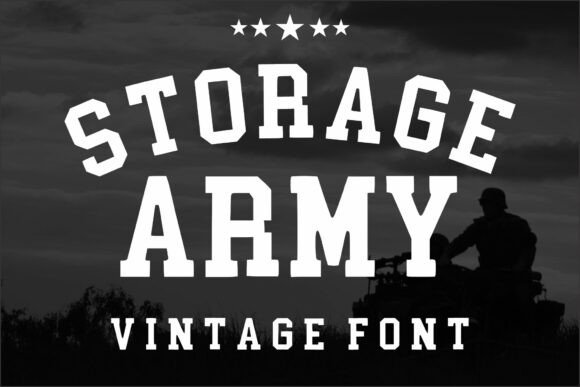
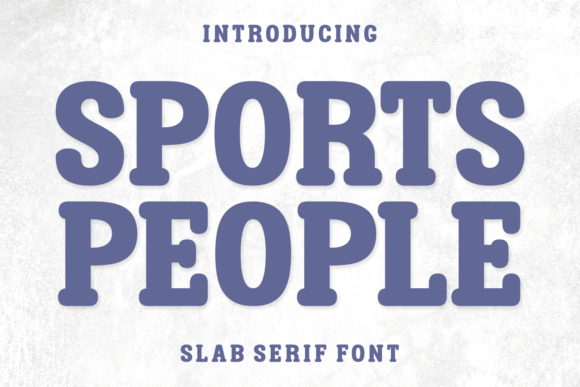
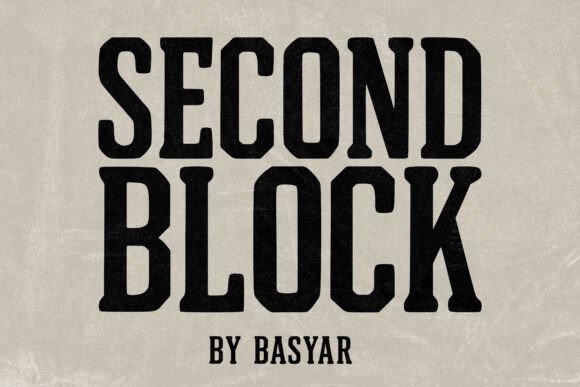
What makes a font feel "athletic"? It usually comes down to structure and proportion. We are looking for tall, narrow letterforms—what designers call "condensed"—that maximize space without sacrificing impact. When you stack these letters vertically, they create a sense of height and speed. The "slab" aspect refers to the heavy, block-like serifs at the ends of the strokes. Unlike the delicate, hairline serifs of a newspaper body text, slab serifs are sturdy. They ground the letters, giving them a foundation that looks immovable. This combination creates a look that is inherently masculine, industrial, and competitive.
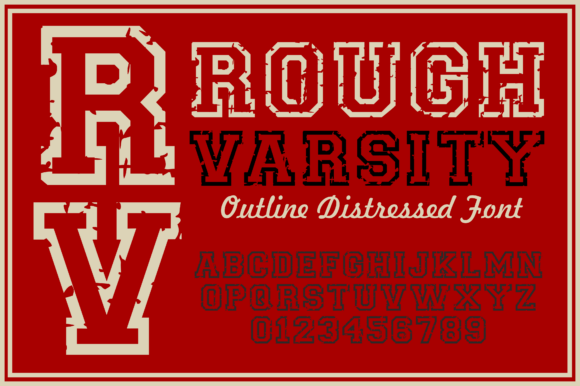
However, a truly premium font goes a step further than just geometry. To achieve that authentic "varsity" feel, texture is everything. A perfectly smooth vector line can sometimes feel sterile or computer-generated. A distressed texture, on the other hand, mimics the look of ink bleeding into cotton or paint chipping off a gymnasium floor. It adds a layer of history and grit. When you combine that blocky structure with a distressed outline style, you get a typeface that feels hand-crafted and established, rather than brand new. It suggests that the brand has a legacy, even if it was founded yesterday.
Real-World Applications: Beyond the Team Jersey
When you first look at a font like Single, your mind might immediately jump to the front of a baseball jersey or a letterman jacket. That is its natural habitat, certainly. It is the perfect choice for sports branding, team logos, and merchandise because it screams "competition." But limiting this typeface to just athletic wear would be a mistake. Its utility extends far into the broader world of design assets.
Consider the current trends in packaging design. We are seeing a massive resurgence in craft brands—whether it is hot sauce, craft beer, or artisanal coffee—that want to project a rugged, hand-made image. A condensed slab serif is perfect for the front label of a bottle or a box. It commands attention on a crowded shelf and communicates that the product inside is bold and substantial. It pairs exceptionally well with kraft paper textures and vintage color palettes.
Furthermore, think about the digital landscape. Social media graphics need to stop the scroll. Because these letters are bold and often feature an outline style, they allow for creative layering. You can place a striking headline over a busy background photo, and the heavy weight of the font will remain legible. It is excellent for Instagram stories, YouTube thumbnails, and banner ads where you have a split second to make an impression. It is also a fantastic choice for editorial design, specifically for magazine headlines or blog headers that need to establish a strong, authoritative tone immediately.
Strategic Typography: Pairing and Hierarchy
Using a display font effectively is about knowing when to use it and, more importantly, when to stop using it. Because a typeface like Single has such a strong personality, it can be overwhelming if used for long paragraphs of body copy. Its job is to be the loudspeaker, not the background music.
The most effective way to implement this style is through contrast. If your headline is a heavy, condensed slab serif, your body copy should be something lighter and easier to read. A clean sans-serif font is a classic pairing. The neutrality of a sans-serif allows the headline to shine without competing for attention. Alternatively, if you want a more sophisticated or artisanal vibe, pairing it with a flowing script font can create a beautiful balance between hard and soft, industrial and organic.
Visual consistency is key to brand recognition. When you choose a typeface like this for your logo, you are setting a specific mood for your entire brand identity. You need to ensure that the rest of your marketing assets—your website, your email newsletters, your business cards—echo that same energy. This doesn't mean everything has to be distressed or heavy, but the general "vibe" should be cohesive. Using a consistent set of design assets helps build trust with your audience; they learn to recognize your "voice" before they even read the words.
Technical Considerations and Best Practices
Before you finalize your design, there are a few practical checks you should always perform. First, test your kerning. Kerning is the spacing between individual characters. Fonts with a distressed texture can sometimes have tricky spacing because the "ink splatter" or rough edges might make letters look closer together than they actually are. Always zoom in and ensure your text is readable, especially if you are using an outline style where the negative space inside the letter is critical to the design.
Legibility is another major factor, particularly for web design. While a distressed texture looks incredible in print or on a high-resolution mockup, it can sometimes get muddy on low-resolution screens or when scaled down very small. If you are using this font for a mobile website header, test it on an actual phone screen. If the texture becomes noise, consider using a cleaner version of the font if available, or increasing the font size.
Finally, always review your licensing. If you are a small business owner creating merchandise to sell, or a designer creating a logo for a client, you need to ensure you have the correct commercial license. Most premium fonts come with specific terms regarding how many devices can install the file or how many physical products can be sold using the design. Respecting these terms is part of being a professional creative and ensures that the type designers can continue creating high-quality tools for us to use.
Ultimately, choosing a font is about finding a voice for your project. When your project needs to speak with authority, confidence, and a touch of timeless grit, the right slab serif is an invaluable tool in your kit.