Rocket Thunder: The Vintage Font Duo for Bold Branding
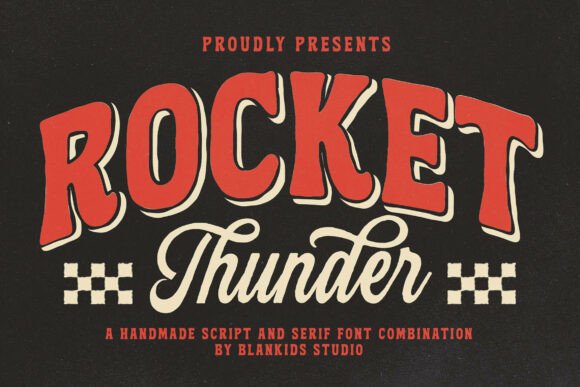
There's something undeniably powerful about typography that carries a sense of history. When you see a design that feels rooted in tradition yet somehow fresh, it often comes down to the typeface. Rocket Thunder captures that balance perfectly—a handmade duo font that blends vintage aesthetics with modern versatility, giving creators a tool that feels both nostalgic and relevant.
What makes this particular typeface stand out isn't just its visual appeal. It's the way it bridges two distinct typographic worlds: the fluid elegance of script lettering and the structured confidence of serif design. For anyone working on branding, packaging, or creative projects that need to make an immediate impression, understanding what Rocket Thunder offers—and how to use it effectively—can genuinely change the way your work looks and feels.
A Font That Tells a Story
Rocket Thunder was designed with intention. Every letter carries the handcrafted quality that comes from a designer who understands the difference between fonts that look good on screen and fonts that actually communicate something meaningful. The vintage uppercase and lowercase characters have a weight and personality that digital-only typefaces often lack.
The script style brings warmth and approachability. Think of it as the font equivalent of a handwritten note—personal, inviting, and full of character. The serif counterpart, meanwhile, delivers the kind of structured authority you'd expect from classic editorial design. Together, they give you a complete toolkit for projects that need both personality and professionalism.
Consider how a coffee roaster might use this combination. The script style works beautifully for the brand name on packaging, evoking the handcrafted nature of small-batch production. The serif style handles the supporting text—origin stories, brewing instructions, flavor notes—with clarity and sophistication. The result is a cohesive visual identity that feels intentional without being rigid.
Where Vintage Typography Meets Real-World Projects
The practical applications for a font like this extend far beyond logo design, though that's certainly where many people start. Here's where Rocket Thunder genuinely shines:
- Brand identity systems that need a consistent voice across multiple touchpoints, from business cards to storefront signage
- Packaging design for products targeting consumers who appreciate craftsmanship and authenticity—artisan foods, handmade cosmetics, boutique clothing
- Social media graphics where standing out in a crowded feed matters, especially for lifestyle brands, bakeries, breweries, and independent retailers
- Event invitations and promotional materials for weddings, galas, product launches, or community gatherings
- Poster design for concerts, markets, fundraisers, and local events that want to convey a sense of tradition or nostalgia
- Website headers and hero sections where first impressions happen in milliseconds
- Merchandise and apparel designs that need to look as good on a t-shirt as they do on a screen
- Editorial layouts for magazines, lookbooks, and catalogs that blend photography with strong typographic hierarchy
The numbers and punctuation included in the full character set mean you won't run into frustrating gaps when working on real projects. That completeness matters more than most people realize until they're mid-project and discover their chosen font can't handle a simple phone number or address properly.
Choosing Between Script and Serif—and When to Combine Them
One of the most practical decisions you'll face with any duo font is knowing which style to use where. This isn't just an aesthetic choice—it directly affects how people read and respond to your content.
The script version of Rocket Thunder works best at larger sizes. It's a display font at heart, meaning it's designed to grab attention rather than carry long paragraphs. Use it for headlines, brand names, taglines, and short phrases that need to feel personal or celebratory. At smaller sizes, script fonts can become difficult to read, so reserve them for moments where visual impact matters more than scanning speed.
The serif style handles body text and supporting information with far more grace. Its classic letterforms maintain readability across a range of sizes, making it suitable for product descriptions, about sections, menu items, and any content where people need to actually absorb the words, not just admire them.
The real magic happens when you pair them together. A wedding invitation might use the script for the couple's names and the serif for the date, venue, and RSVP details. A restaurant menu could feature dish names in script with descriptions in serif. This kind of typographic contrast creates visual hierarchy naturally—your audience instinctively knows where to look first.
Making Font Pairings Work in Practice
Rocket Thunder's vintage character gives it a strong personality, which means the fonts you pair it with matter. A few practical guidelines can save you hours of experimentation:
When combining with sans serif fonts, look for clean and neutral options. A straightforward sans serif like a geometric or humanist design won't compete with Rocket Thunder's detailed letterforms. Instead, it provides breathing room. Think of it as the quiet friend who lets the more expressive personality in the room take center stage.
Avoid pairing it with other highly decorative or handwritten fonts. Two strong personalities in the same design usually create visual noise rather than harmony. The goal is contrast that feels complementary, not competition.
Test your pairings at the actual sizes they'll appear in your final project. A font combination that looks balanced at 72 pixels on your monitor might feel completely different when printed at 12 point on a business card. Print a test sheet. View it on your phone. Check it on a tablet. Real-world conditions reveal things that design software screens hide.
Pay attention to spacing and alignment. Vintage and handmade fonts sometimes have unique kerning characteristics. Take a few extra minutes to adjust letter spacing in headlines, especially when using the script style. Small tweaks here make the difference between "looks homemade" and "looks handcrafted."
Building Visual Consistency Across Your Brand
For small business owners and entrepreneurs, one of the most valuable things a well-chosen typeface provides is consistency. When your logo, website, social media posts, packaging, and printed materials all share the same typographic voice, people start to recognize your brand before they even read the words.
Rocket Thunder's dual nature makes this particularly achievable. You can maintain a unified aesthetic across digital and print channels without the design feeling repetitive. Your Instagram graphics might lean on the script style for bold statements, while your product labels use the serif for a more refined look. Both feel like they belong to the same family because they do.
This kind of visual consistency builds trust. When a customer sees your packaging in a store, then encounters your social media content later, the typographic connection registers subconsciously. It signals professionalism and attention to detail—qualities that influence purchasing decisions more than most people consciously acknowledge.
Licensing and Commercial Use Considerations
Before incorporating any premium font into commercial projects, understanding the licensing terms protects you legally and financially. Most creative fonts like Rocket Thunder come with specific licensing structures that define how you can use them.
Typically, a standard license covers use in logos, printed materials, and digital designs for a single user or organization. If you're creating merchandise for sale—t-shirts, mugs, posters—verify that your license includes print-on-demand or physical product rights. Some licenses differentiate between digital use and physical reproduction.
For agencies or freelancers working on client projects, confirm whether the license allows you to install the font on multiple devices or share files with clients. When in doubt, reach out to the font creator or distributor directly. Most are happy to clarify terms, and getting it right upfront prevents headaches later.
Rocket Thunder's complete character set, combined with its dual script and serif styles, represents genuine value for creators who want vintage character without sacrificing versatility. Whether you're building a brand from scratch, refreshing an existing identity, or working on a one-time creative project, it offers the kind of thoughtful design that makes your work look like you spent far more time and money on it than you actually did. And honestly, that's what good typography does—it quietly elevates everything it touches.