Capturing Timeless Charm: The British Poems Typeface
There is a distinct moment when a design transcends simple aesthetics and begins to tell a story. It often happens in the typography. We have all seen the difference between a standard corporate font and one that feels like it was written by a human hand, carrying the weight of history and the lightness of personal touch. If you are working on a project that demands emotion, elegance, and a hint of vintage nostalgia, you may find that modern geometric sans-serifs fall flat. This is where the character of a handwritten script becomes not just a stylistic choice, but a strategic necessity for connecting with your audience on a deeper level.
Understanding the Duality of British Poems
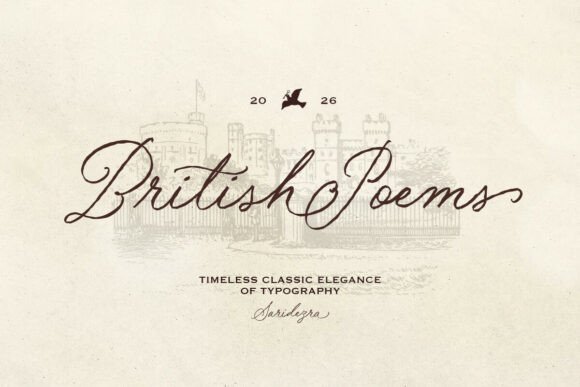
The British Poems typeface is a premium font designed to bridge the gap between historical charm and modern usability. At its core, it is a script font that mimics the fluidity of natural handwriting, but it distinguishes itself through a specific aesthetic direction: old-world nostalgia. It doesn't just look handwritten; it looks like it belongs on a parchment, a vintage label, or a cherished family heirloom.
What makes this typeface particularly versatile for creative professionals is its dual nature. It comes equipped with two distinct versions: Regular and Rough. Understanding when to deploy each version is key to maximizing the impact of your visual communication.
- The Regular Version: This iteration offers a clean, smooth finish. The strokes are consistent and elegant, making it ideal for projects where legibility is paramount but you still want to maintain a personal touch. Think of wedding invitations, high-end branding, or digital headers where you need the text to feel sophisticated without being messy.
- The Rough Version: This version introduces texture. It mimics the imperfections of ink on paper, complete with slight splatters and uneven edges that occur naturally when writing by hand. This is the go-to choice for raw, authentic presentations. It works beautifully for vintage logos, rustic packaging, or grunge-style social media graphics where you want to convey a sense of history and grit.
Practical Applications Across Industries
As a designer or business owner, you are likely juggling multiple assets. You need a typeface that can adapt to different mediums without losing its soul. British Poems functions effectively as a creative font that can elevate various design assets, from digital screens to physical merchandise.
Branding and Logo Design
In the crowded marketplace of today, a logo needs to be memorable. A script font like British Poems can serve as the centerpiece of a brand identity, particularly for businesses in the lifestyle, fashion, artisanal food, or hospitality sectors. The flowing nature of the letters suggests a human touch, which implies that the business cares about craftsmanship. When used in a logo, the alternates included in the font family allow you to customize specific letters, ensuring your brand name looks unique and avoids the "cookie-cutter" appearance of standard typefaces.
Editorial and Web Design
While you wouldn't use a script font for body copy, British Poems excels in editorial layouts and web design as a display font. It creates a stunning contrast when paired with a clean serif or sans-serif font. For example, using British Poems for pull quotes, chapter titles, or "About Me" headers on a website can instantly draw the reader's eye and set a warm, inviting tone. In the context of web design, it helps break the monotony of digital interfaces, adding a layer of organic texture to the user experience.
Packaging and Merchandise
For small business owners selling physical products, packaging is your silent salesperson. Whether you are designing labels for a candle line, coffee bags, or cosmetic boxes, the Rough version of British Poems adds an immediate "handcrafted" feel. It suggests that the product inside was made with care. This visual cue is powerful in marketing; it justifies a premium price point by visually communicating quality and authenticity before the customer even uses the product.
Invitations and Event Stationery
The wedding and event industry relies heavily on typography to set the mood. British Poems is an obvious contender for wedding invitations, save-the-dates, and menu cards. Its nostalgic look pairs perfectly with floral motifs and watercolor backgrounds. Because the font supports multi-language characters, it is a practical choice for international clients or destination weddings, ensuring that names and phrases in various languages maintain the same stylistic integrity.
Strategic Typography: Matching Font to Goal
Choosing a font is not just about what looks good; it is about what communicates best. A common mistake in design is prioritizing style over substance. While British Poems is visually stunning, it requires a strategic approach to ensure it aids rather than hinders your message.
Readability and Hierarchy
Because this is a display and script font, readability decreases as the font size gets smaller. It is not designed for long paragraphs of text. To use it effectively, you must establish a clear typographic hierarchy. Use British Poems for the "Hero" text—the main headline, the logo, or the central call to action. Then, pair it with a highly legible body font. A classic sans-serif like Helvetica or a modern serif like Garamond usually complements the fluid lines of a script font without competing for attention.
Leveraging Alternates
One of the standout features of British Poems is its inclusion of alternate characters. In professional typography, alternates are different versions of the same letter. If your logo or headline features a double letter (like "ll" or "oo") or if a specific letter combination looks awkward, swapping in an alternate glyph can fix the flow. This feature allows you to fine-tune the typography, making the text look less like a font and more like a custom hand-lettering job.
Commercial Licensing and Usage
For entrepreneurs and marketers, the technical side of fonts is just as important as the visual side. Before incorporating British Poems into a client project or a commercial product, always review the licensing. Most premium fonts require a specific license for commercial use (such as for a logo that will be trademarked or merchandise that will be sold). Ensuring you have the correct license protects your business legally and supports the type designers who create these tools.
Elevating Visual Consistency
One of the biggest challenges in marketing is maintaining visual consistency across different platforms. A brand needs to look the same on Instagram as it does on a business card or a website footer. By adopting British Poems as a core element of your design assets, you create a recognizable thread that ties your content together.
Imagine a social media strategy where you use the Regular version for inspirational quotes on Instagram and the Rough version for product announcements. While the texture changes, the underlying structure of the font remains the same. This subtle consistency helps build brand recognition. Your audience begins to associate that specific style of handwriting with your voice, even before they read the words.
Final Thoughts on Creative Execution
The British Poems typeface is more than just a collection of letters; it is a tool for storytelling. It offers a balance of elegance and rawness that is difficult to find in standard font libraries. Whether you are a hobbyist creating a scrapbook, a graphic designer working on a complex editorial layout, or a small business owner defining your brand identity, this handwritten script provides the flexibility to match your creative vision.
By experimenting with the Regular and Rough versions, testing different font pairings, and utilizing the alternates, you can create designs that feel personal, professional, and visually engaging. In a digital world that often feels sterile, bringing a touch of the handwritten, nostalgic past into your modern projects can be the very thing that makes your work stand out.